Precision
engineered
for cinema.
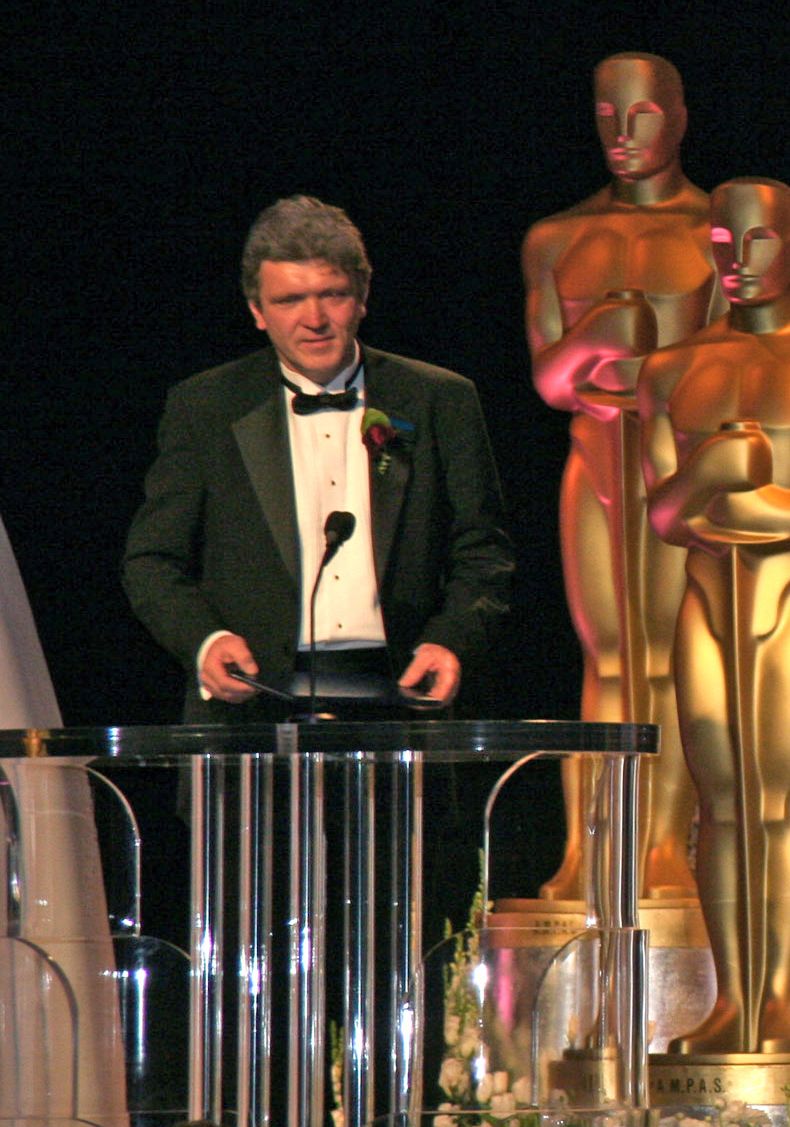
Creator of gyro-stabilized camera systems used in Hollywood productions for over 30 years. Academy Award recipient for Technical Achievement, 2006.
Technical Achievement
Lev Yevstratov
Electro-Mechanical engineer and inventor whose camera stabilization systems have been a quiet constant behind Hollywood's most demanding cinematography for three decades.
Born from a scientific engineering background, Lev's work addresses a fundamental problem in filmmaking: how to give a camera operator the freedom to move while eliminating vehicle vibration, pitching, and rolling.
The family of 4GSP – Edge Head gyro-stabilizers became an industry standard for vehicle-mounted and crane-mounted high-speed production work. Its design has been refined continuously over 30 years of real-world field use.
In 2006, the Academy of Motion Picture Arts and Sciences recognised his contribution with a Technical Achievement Award — one of the highest honours in the industry for engineering work behind the camera.
Now seeking co-development opportunities to bring next-generation stabilization technology.
News & Insights
Technical articles on camera stabilization, gyro systems and remote head design — written from four decades on set.
Flagship works
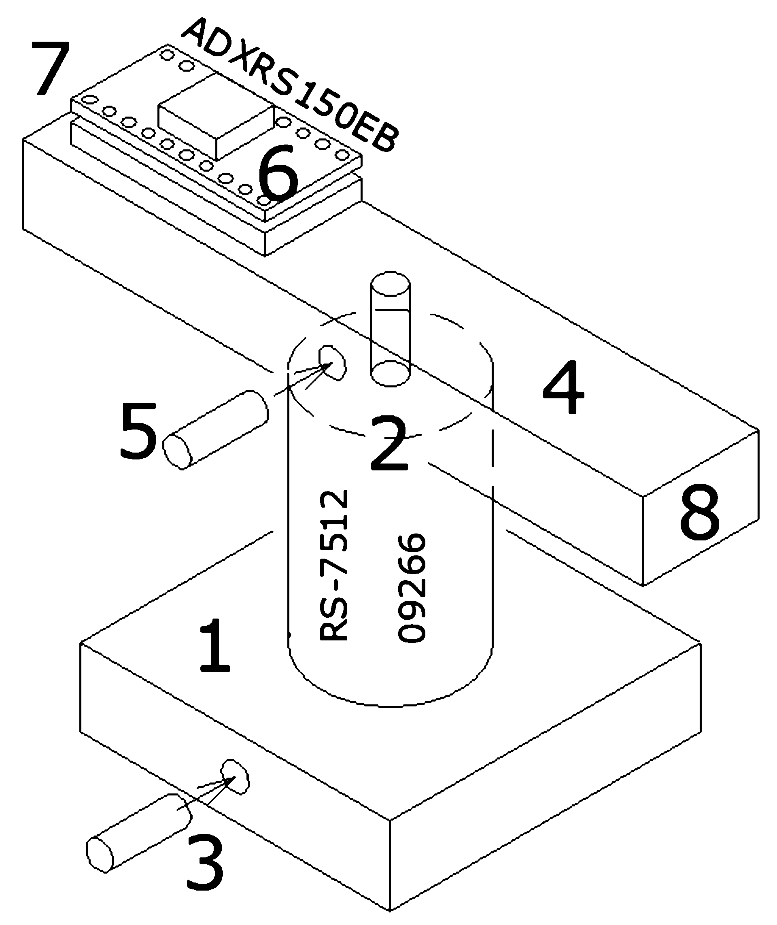
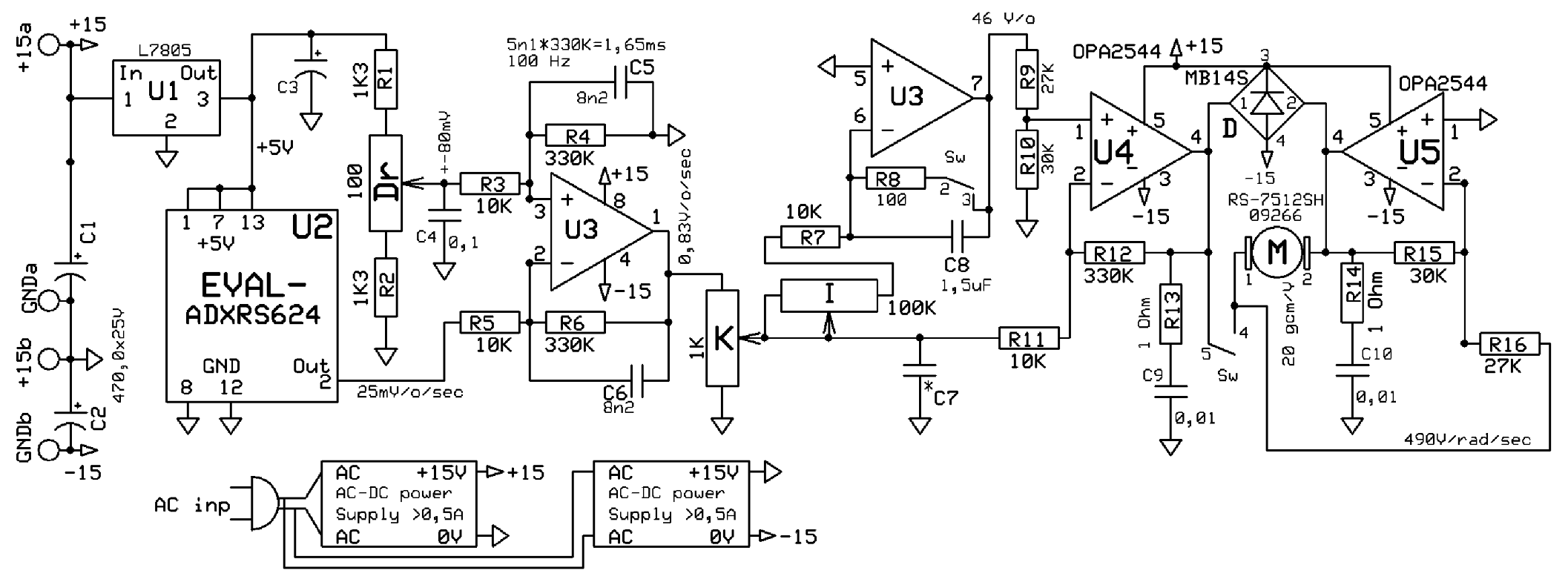
A family of gyro-stabilized camera mounts that eliminates vehicle's vibration, pitching and rolling during vehicle chases, aerial work, crane moves, is based on a single concept, which I proposed in 1993. It includes the following models:
- “4GSP” Russia — since 1995
- “Flight Head” Used continuously on Hollywood productions since July 1996
- “G3 Chapman Head” Used continuously on Hollywood productions since 2002
- “Lev Head” Used continuously on Hollywood productions since 2004
- “Edge Head” Used continuously on Hollywood productions since 2011
| Model | Max. Payload | Weight | Response time |
|---|---|---|---|
| “4GSP” | 66 lbs | 60 lbs | 16 ms |
| “Flight Head” | 66 lbs | 60 lbs | 12 ms |
| “G3 Chapman Head” * | 110 lbs | 80 lbs | 14 ms |
| “Lev Head” | 80 lbs | 50 lbs | 12 ms |
| “Edge Head” | 150 lbs | 75 lbs | 10 ms |
* The “G3 Chapman Head” allowed the camera to be controlled either remotely or directly by hands. The rest of models are remotely controlled.
Engineered for reliability in extreme conditions: desert heat, arctic cold, high-speed impact environments.


Screen credits
My gyro-stabilized camera systems have ridden along on the productions below — features and national ad campaigns alike.
Acura, Adidas, Alfa Romeo, Allstate, American Airlines, Apple, Aston Martin, AT&T, Audi, Bentley, BMW, Blue Cross Blue Shield, Boost Mobile, Bridgestone, Buick, Byton, Cadillac, California Lottery, Can-Am, Capital One, Cartier, Chevrolet, Chrysler, Citizen, Citroën, Confused.com, Covered California, Crown Royal, Dior, DirecTV, Dodge, Domino's, Enterprise, Fiat, Fidelity, Firestone, Ford, General Electric, Genesis, GMC, Goodyear, Google, H&M, Harley-Davidson, Honda, Hot Wheels, HP, Hyundai, Indian Motorcycle, Infiniti, Isuzu, Jaguar, Jeep, Jiffy Lube, Jordan, Kawasaki, Kia, Land Rover, Lexus, Lincoln, L'Oréal, Louis Vuitton, Maytag, Mazda, Mercedes-Benz, Michelin, Michelob, Mini, Mitsubishi, Modelo, Mont Blanc, MTV, Nationwide, Nike, Nissan, Opel, Pedigree, Pennzoil, Polaris, Pontiac, Porsche, Principal, Rain-X, Reebok, Ryder, Samsung, Scion, Southwest Airlines, State Farm, Subaru, Suzuki, Tag Heuer, Tide, T-Mobile, Toyota, Turtle Wax, United Healthcare, Valvoline, Vodafone, Volkswagen, Volvo, Wagner Brake Products, Walgreens, Wells Fargo, WWE, Yamaha.
Engineering Record
Academy Award-winning Lead Engineer with 45+ years of experience (since 1978) in advanced camera gyro-stabilization.
Pioneer in cinematic movement, bringing the elite academic legacy of the Bauman Moscow Technical School — the world's premier gyroscope research institution — to Hollywood. Developed foundational stabilization theories and mathematical models over a decade before commercial entertainment firms entered the market.
Core Architect: Designed and calculated foundational concepts for iconic 3-axis gyrostabilizers: 3GSP, 4GSP (Flight Head 1996), G3 Chapman Head, Lev Head, Edge Head, Arch Head, Pi-Head, ProLite, ESU Head, and Micro Head.
Crane Pioneer: Developed the conceptual architecture, sketches, and component design for Gyrostabilized “Autorobot” — the first gyro-stabilized remote camera crane for tracking vehicles — paving the way for the Russian Arm, Ultimate Arm, and Edge Cranes.

Bauman Moscow Technical School
Arts and Sciences
The People Behind the Machines
Throughout my professional life, I have had the privilege of working with equipment created by many talented engineers, technicians, craftsmen, and managers. Especially by my fellow countrymen from Russia.
For decades, while deeply involved in production work, testing, maintenance, and development, I rarely found enough time to properly express my gratitude. The demands of daily work were always urgent, and the next project was always waiting.
Today, as the years create some distance from those events, I see more clearly the true significance of what so many people accomplished.
Thousands of miles away from the factories and engineering offices where this equipment was designed and built, we relied on your work every day. You read my letters, considered my questions, developed solutions, manufactured components, redesigned systems, shipped parts, prepared documentation, and often found time to answer my lengthy technical messages.
Your efforts made it possible for camera systems to keep working under the demanding conditions of film production.
The years have passed, but the evidence of that work remains.
The files, correspondence, notebooks, and technical records have been preserved and archived. Hundreds of binders filled with documentation and handwritten notes remain carefully organized on the shelves of “Electronic Lab”. Spare parts and auxiliary devices are still stored in their proper places. Complete camera systems stand ready for operation. Outside the workshop, large trailers remain equipped with the machinery, tools, and spare components needed for production.
At any moment, the doors could be opened, the systems started, and the equipment sent wherever cameras are waiting.
Behind every one of these machines stand people.
This page is dedicated to all of you.
Thank you for your knowledge, your craftsmanship, your patience, your professionalism, and your friendship.
With deep respect and gratitude,
Lev N. Yevstratov
Let's improve existing camera support systems, restore proven designs, and create the next generation of cinematography equipment together.
Let's teach and train real engineers on how to build equipment that lasts forever
Inertial stabilization technology is available forever.
Consultant (1099)